

Auburn University
Variety Testing Program
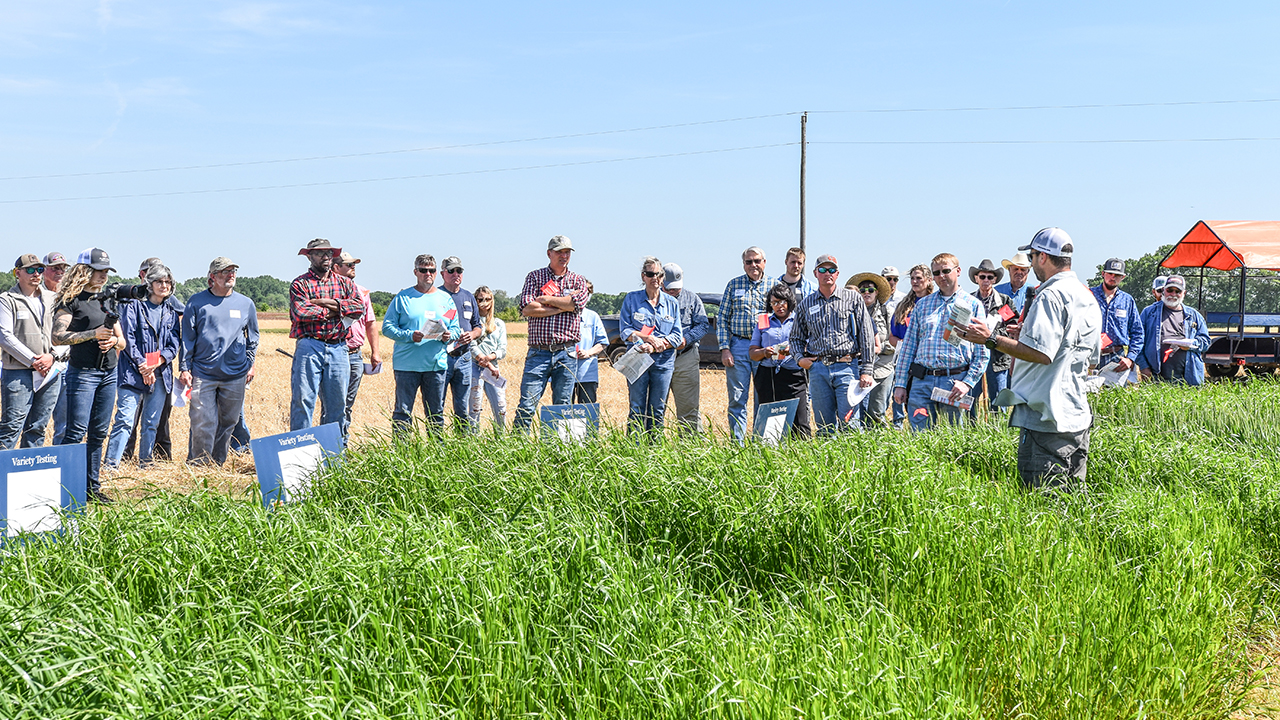
Variety selection is the most important decision a farmer can make. If farmers want to be successful, they must ensure that they plant varieties that are well adapted. If a farmer selects the wrong variety, the results can be catastrophic. Typically, farmers do not have the resources to conduct variety trials in addition to their normal growing season activities.
Variety evaluation is also critical to plant breeders, both from universities and industry. Prior to releasing a new variety, these breeders typically evaluate their lines in independent variety trials. This ensures that they have unbiased data from multiple years and locations to support the release of their new variety.
The mission of the Auburn University Variety Testing Program is to provide research-based, unbiased results on the performance of various crop hybrids, cultivars, and varieties to the agricultural community in Alabama. We are intent on conducting these trials in a manner that will result in maximum biological yield through methods common to the top-producing farms in Alabama.
We are committed to providing this information in a timely manner for its use during the decision-making process. The success of the program rests on our ability to help Alabama producers provide a safe, dependable source of food and fiber for all families as well as an economic sustainability for theirs.

Henry Jordan
Variety Testing Manager, Research Associate IV
Subscribe to AU Variety Testing Updates
Annually, the Auburn University Variety Testing Program conducts trials on corn, cotton, soybeans, peanuts, grain sorghum, wheat, barley, oats, triticale, small grain forages, and ryegrass.
Trials are conducted on Auburn University owned and operated agricultural research stations across the major geographical regions of the state. The research conducted at each of these locations can provide stakeholders with data that can be more representative of their growing conditions.
VARIETY CATEGORIES
Performance of Field Corn Hybrids in Alabama, 2018
Field corn hybrids were evaluated in 2018 by the Alabama Agricultural Experiment Station as a service to producers, crop advisors, and industry. Field trials on corn hybrid performance were conducted on experiment stations throughout the state to evaluate yield...
Performance of Soybean Cultivars in Alabama, 2017
Performance variety testing of Cotton in AL. Department series #CSES2017 Cotton.
Auburn University Crops / Soybean Research Report 2017
Soybean Research Report 2017, Research Report No. 44: Alabama Agricultural Experiment Station, 2018 Paul Patterson, Director, Auburn University, Auburn, AL
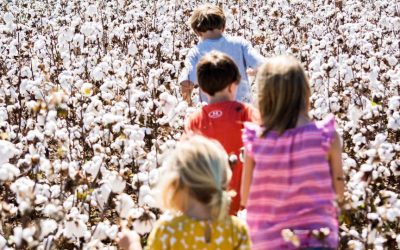
Auburn University Crops / Cotton Research Report 2017
Research Report No. 42: Alabama Agricultural Experiment Station, 2018 Paul Patterson, Director, Auburn University, Auburn, AL
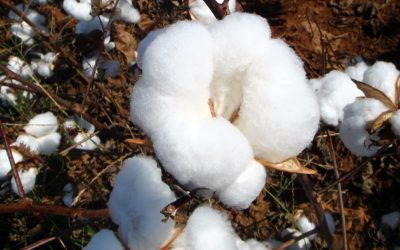
Performance of Cotton Varieties in Alabama, 2017
Performance variety testing of Cotton in AL. Department series #CSES2017 Cotton.
Performance of Peanuts in Alabama, 2018
The Auburn University Peanut Variety Trial was conducted at the Wiregrass Research and Extension Center in Headland, AL in 2018. The data was distributed to stakeholders following the trial, however, an official variety trial publication was not compiled. In order to...