
Written By: Jera Dill, Amy Zvonar, Laura Cooley, Rachel McGuire and Sydney Zinner
Often considered the most famous major river in Alabama, the Cahaba River is entirely contained within the state of Alabama (Figure 1). This 194-mile-long tributary of the Alabama River is the state’s longest free-flowing river. Beginning near Birmingham, the Cahaba flows through eight counties, containing both rural and urban areas, and across three distinct physiographic regions: the Appalachian Plateau, the Ridge and Valley, and the Coastal Plain. It eventually merges with the Alabama River at the former capital of Alabama, the town of Cahaba.
The Fall Line, a geographic feature that divides Alabama into two distinct physical regions, separates the river into the Upper Cahaba and the Lower Cahaba. The Upper Cahaba flows through uplands characterized by the hard Piedmont rocks of the Appalachian Mountains, while the Lower Cahaba runs through the lowlands containing the softer rocks of the Coastal Plain. The distinctive geology of these two regions contributes to the spectacular biodiversity of this treasured Alabama river.
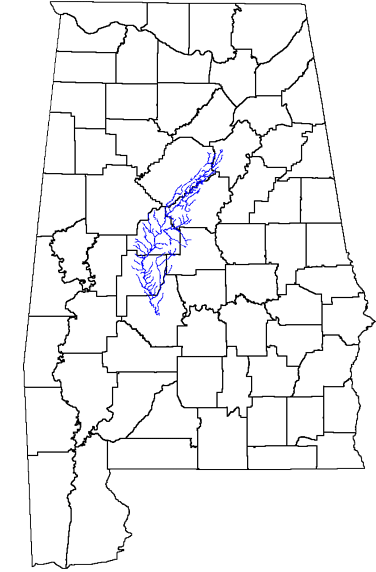
Figure 1: Cahaba River. Photo Credit: Rachel McGuire
History
The name “Cahaba” can be traced back to two Choctaw words, “oka” and “aba”, which roughly translate to “water above” (1). Likely, this is due to the Cahaba literally being the water above the Alabama River, as it is a large northern tributary of the Alabama (1). The word Cahaba has also been roughly translated from Creek to reference the native cane that covered the river valleys (2). Both possibilities for the Cahaba’s namesake exemplify the long relationship of the river to Alabama.
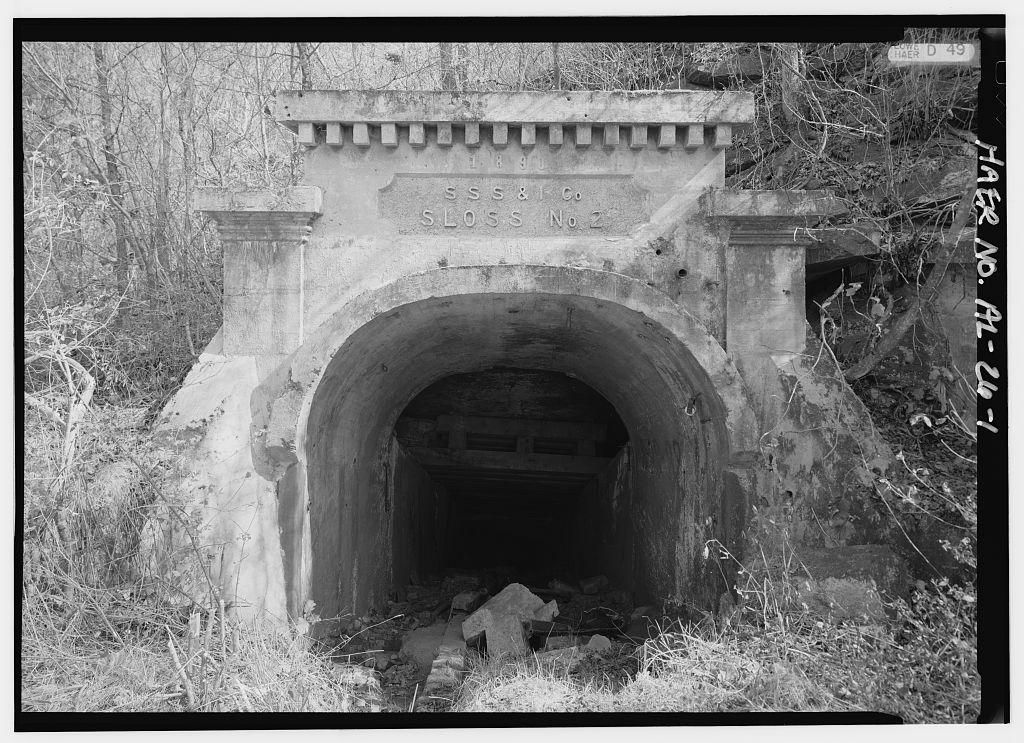
As Alabama’s early settlers arrived, the Cahaba and its surrounding land continued to provide valuable resources that fueled the state’s early economic growth. The city of Birmingham, founded in 1871, quickly rose to prominence in the late 1800s as a steel and iron mecca (Figure 2) and was praised for being the only place in the world where iron ore, coal, and limestone could be collected within a 50-mile radius (3). Red Mountain, which is now a 1,500-acre park and part of the Jefferson County Greenways, served as the epicenter of this economic boom (4). Hematite iron ore deposits were discovered in the early 1800s and were heavily mined at Red Mountain by the mid-19th century (Figure 3) (4). The industrialization of Birmingham heavily relied on the Cahaba as a route for transporting materials and manufactured products throughout the state, resulting in Birmingham becoming the largest steel producer in the southeast and giving the city its “Magic City” namesake (3).
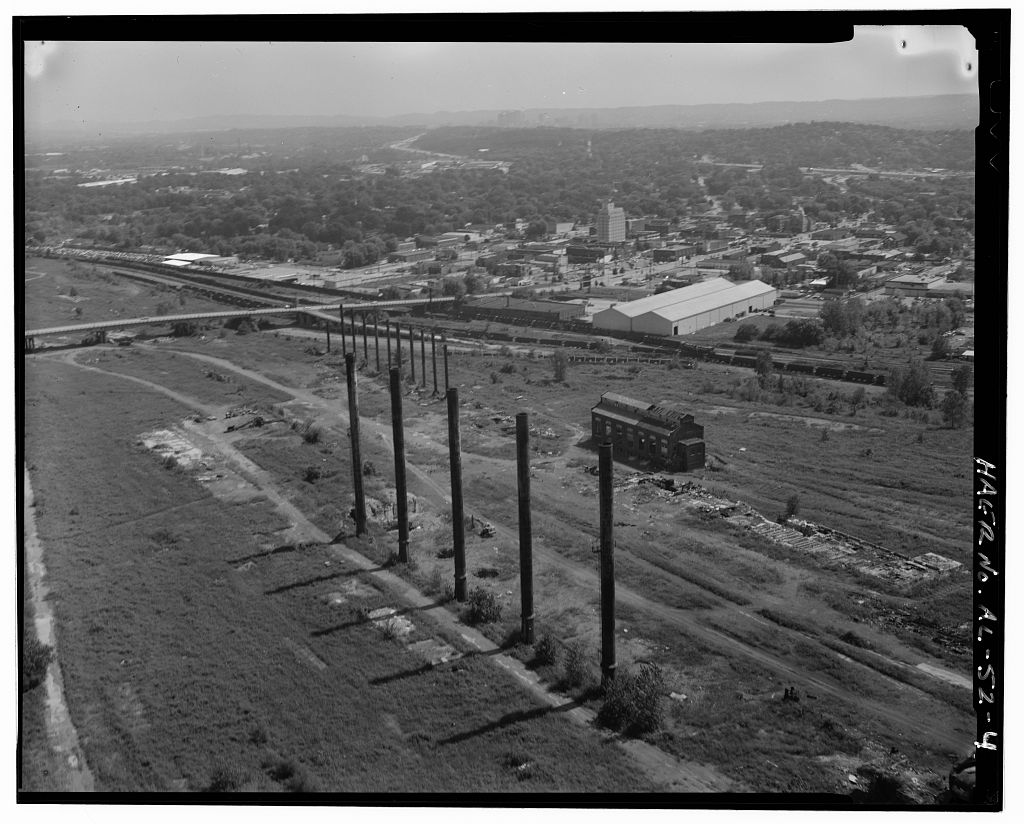
Figure 2. The Ensley Works in Birmingham. Photo credit: Library of Congress Photographic Archives
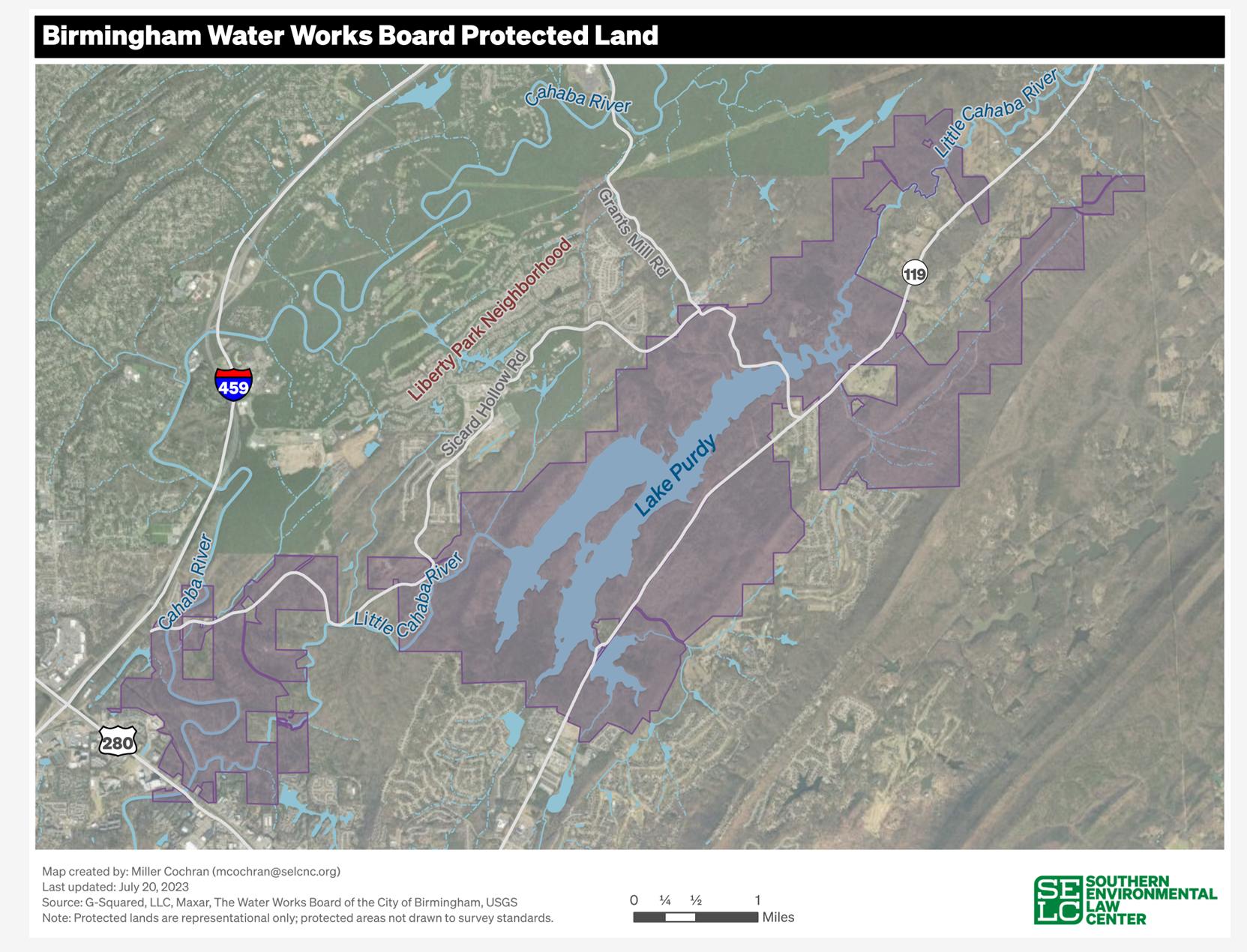
Although the steel industry has declined, Birmingham remains a major city in Alabama, with a heavy reliance on the Cahaba. The Birmingham Water Works Board, which serves about one-fifth of Alabama’s population, relies on the Cahaba as its main source for drinking water (5). This means that the Cahaba is the source of drinkable water for over one million people (5). The Birmingham Water Works Dam is south of Highway 280 bridge that crosses the river. Built in 1891, the dam only backs water up enough to provide a steady supply of water, without creating a reservoir, to collect more than 100 million gallons of water each day (6). The water collected from the Cahaba gets transported to four water treatment facilities to be filtered and distributed to five counties of Alabama (6). As of 2023, Birmingham Water Works has agreed to protect 7,000 acres surrounding the Cahaba from further development (7). The standing natural forested land will serve as a protective buffer for the water source from urban sources of non-point source pollution (Figure 4).
Notable Tributaries
Lying above the Fall Line in the Alabama Valley and Ridge region, the Little Cahaba River is a popular spot for canoeing and kayaking in the upper Cahaba River Basin watershed (8). The Nature Conservancy also oversees 480 acres of land along the Little Cahaba, the Kathy Stiles Freeland Bibb County Glades Preserve, popularly referred to as the “Glades” (8). Known for their biodiversity, the Glades provide habitat for over 61 rare species of plants and dozens of rare aquatic species (8).
The Buck Creek tributary (Figure 5) of the Cahaba River is entirely contained within Shelby County, flowing northwest into the valleys and ridges of central Alabama. Earliest records of Buck Creek indicate the site of the now destroyed Central Iron Works rolling mill, built in 1865 (9). There is one dam built on Buck Creek, north of Old Town Helena, that creates Lake Davidson. Built in 1915 and named after Tom Davidson, the reservoir was the center of a resort constructed by Tom and his sons along the lake shore (10). Today, Buck Creek is used as a discharge point for water treatment facilities in Helena and Pelham. Another major tributary that merges with Buck Creek near Helena and Pelham city limits is named the Cahaba Valley Creek (11). This creek flows northeast to its source within Oak Mountain State Park where it is dammed to form Beaver Lake (11).
At approximately 55 miles long, Shades Creek (Figure 6) is a Cahaba tributary that flows through Jefferson County and Bibb County (12). In response to increasing residential expansion in recent years, Jefferson County developed The Shades Creek Watershed Management Plan (12). The watershed plan for Shades Creek is comprehensive and offers solutions for achieving environmentally responsible urban development and reducing stormwater runoff and nonpoint source pollution (12). If you are interested in learning more about Shades Creek, the Birmingham Historical Society published a book in 2019 called Shades Creek – Flowing Through Time, which is a must-read.
Oakmulgee Creek flows through the Talladega National Forest Oakmulgee Division. The striking prothonotary warbler (Protonotaria
citrea) and the federally threatened red-cockaded woodpecker (Dryobates borealis) can be found in the pine forests preserved in this area (13).
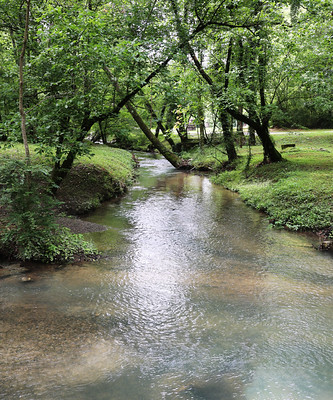
Figure 5. Buck Creek Park. Photo credit: Bruce Depree, ACES
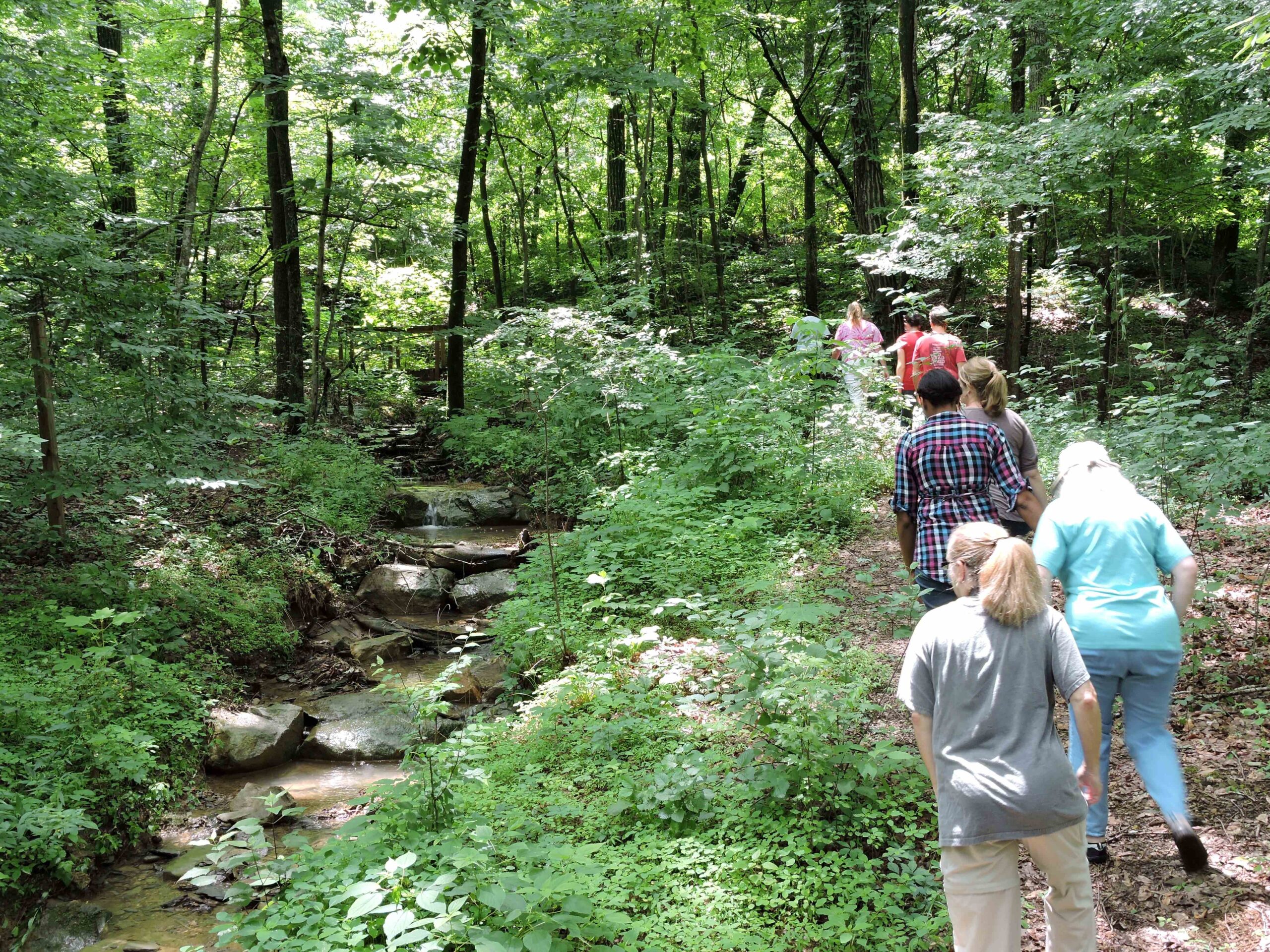
Figure 6. Shades Creek Enhancement at Little Shades Mountain.
Noteable Landmarks
At the Cahaba and Alabama rivers’ convergence is the town of Cahaba, Alabama’s first seat of government from 1820 to 1825 (14). Although it is now known as Alabama’s most famous ghost town, the town of Cahaba has a rich history of settlement. Before being selected as the site of Alabama’s first capital city (Figure 9) by Governor William Wyatt Bibb in 1818, Cahaba was believed to be the location of an ancient Mississippian village until around 1550, and by the 1700s, a Choctaw village (14).
After only 5 years as the capital of Alabama, the government seat was moved to Tuscaloosa (15). Consistent flooding and concerns over malaria outbreaks and other diseases in the area were used to convince the Alabama General Assembly to make the move (15). This relocation caused the city population to drop drastically, but it remained a prosperous commercial center and a major distribution point for cotton.
According to the Alabama Historical Commission, the final blow to Cahaba’s stature as a town came in 1865, when a flood resulted in the county seat moving permanently to Selma (16). Most of the town’s structures were dismantled or dilapidated by 1900 (Figure 10), and the town was unincorporated in 1989 (16). Visit the Alabama Historical Commission’s site to learn more about how the town changed during these years. Those interested in history and archeology can visit the Old Cahawba Archeological Site, which is listed on the National Registry of Historic Places, and tour the ruins of the old town (16).
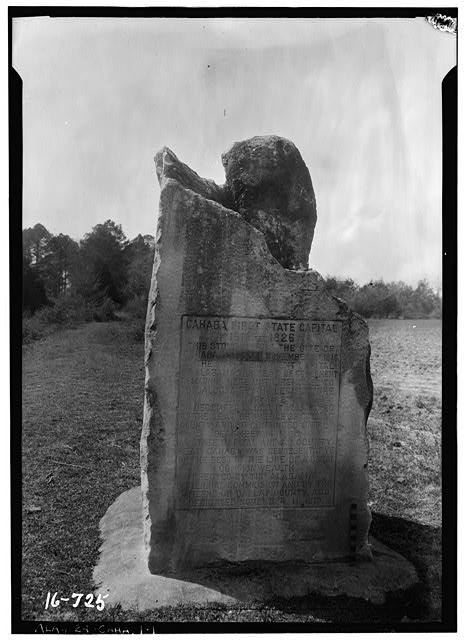
Figure 9. Monument to Alabama’s first state capital. Photo credit: Library of Congress
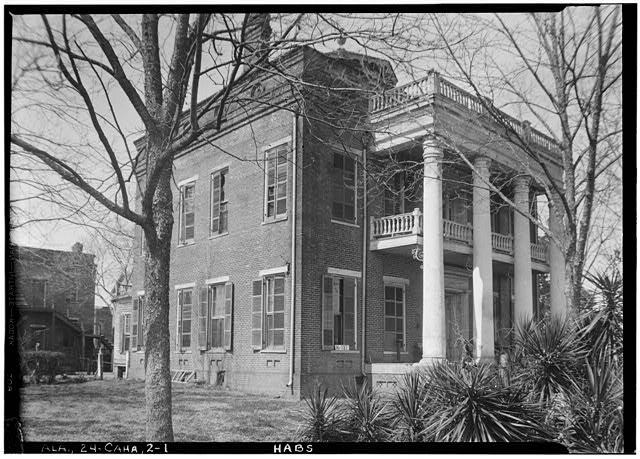
Figure 10. Kirkpatrick House, Oak Street, Cahaba, Dallas County, Alabama. 1934 Photo credit: W.N. Manning, Historic American Building Survey, Library of Congress
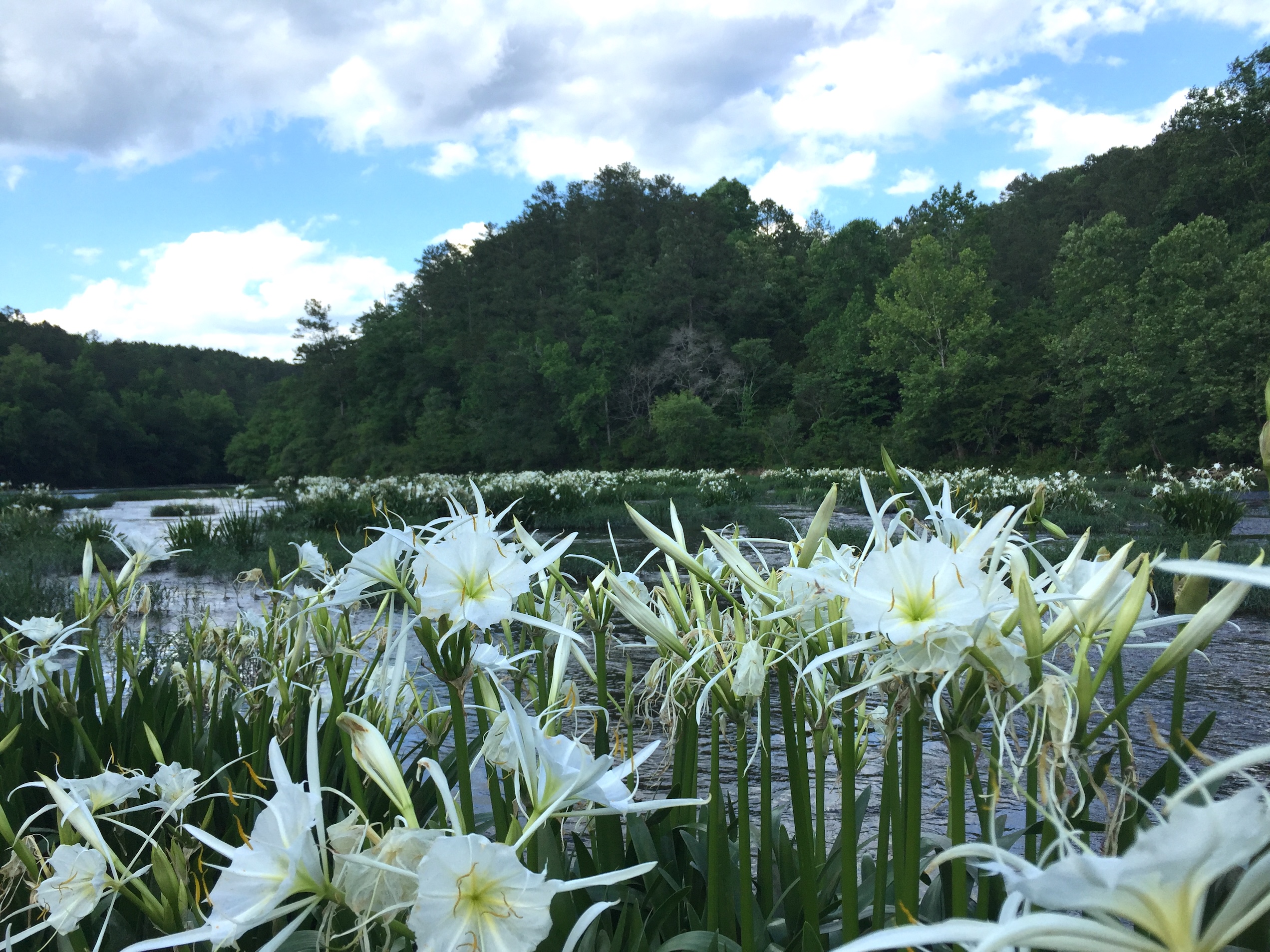
Established in 2002, the Cahaba River National Wildlife Refuge is located in Bibb County and manages over 3,600 acres of land (17). The U.S Fish and Wildlife Service sought to protect this unique section of the Cahaba and the land adjacent to it due to its being a critical habitat for a particularly diverse population of flora and fauna. The mission of the refuge is to conserve, enhance and restore native aquatic and terrestrial habitats to maintain and assist in the recovery of animals and plants listed under the Endangered Species Act of 1973. The sight of the largest known population of Cahaba lilies is found within this refuge and is one of the main imperiled species sought for protection (Figure 11) (17).
Pratt’s Ferry Preserve is owned and operated by the Nature Conservancy. It provides access to the Cahaba River and offers an opportunity to see rare plants, including Alabama croton, which is found only in the Alabama and Black Warrior watersheds (18). The site is currently being managed for invasive species, erosion, and litter control.
Cahaba River Blueway is a multi-organization partnership creating a formal “water trail” to provide access to the Cahaba (19). Organizations involved in the Blueway initiative include the University of Alabama, the Cahaba River Society, The Nature Conservancy, Cahaba Riverkeeper, Freshwater Landtrust, and the National Park Service’s Rivers, Trails, and Conservation Assistance Program (19). Visit the Cahaba River Blueway website here to learn more about the project and to access a blueway map.
Marvel Slab was built as a road crossing for coal trucks across the Cahaba river in the 1960’s (20). In 2004, its removal made history. When the Army Corps of Engineers received approval to destroy it, it became the first dam in Alabama to be removed for environmental reasons (20). The removal proved to be an ecological success, with many fish, snails and mussels returning upstream almost immediately after (21).
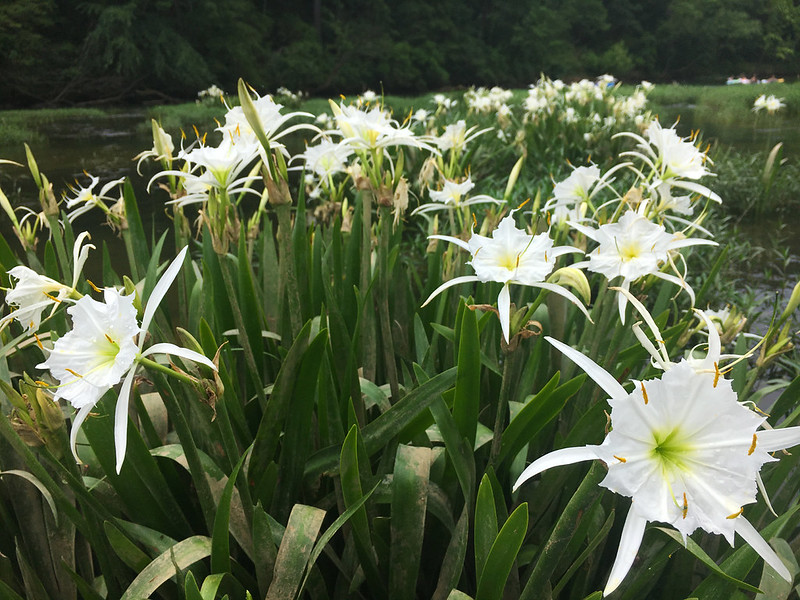
Figure 11. Cahaba lilies on the Cahaba River. Photo credit: Bridget Brown, ACES.
Dams
In the late 1800’s, Congress attempted to alter the Cahaba into a more navigation-friendly river, even allocating funds between 1880 and 1893; however, their efforts failed and a final feasibility study on the Cahaba in 1909 would forever pronounce the river as unfit for further improvement. Fortunately for the Cahaba, this resulted in preserving the future integrity of the river (22).
One small, easily overlooked dam built in 1891 exists on the main stem of the Cahaba on the west side of the Highway 280 bridge (23). At 15 feet high, this low-head dam ensures a steady supply of water from this section of the river to the city of Birmingham (Figure 12) (23).
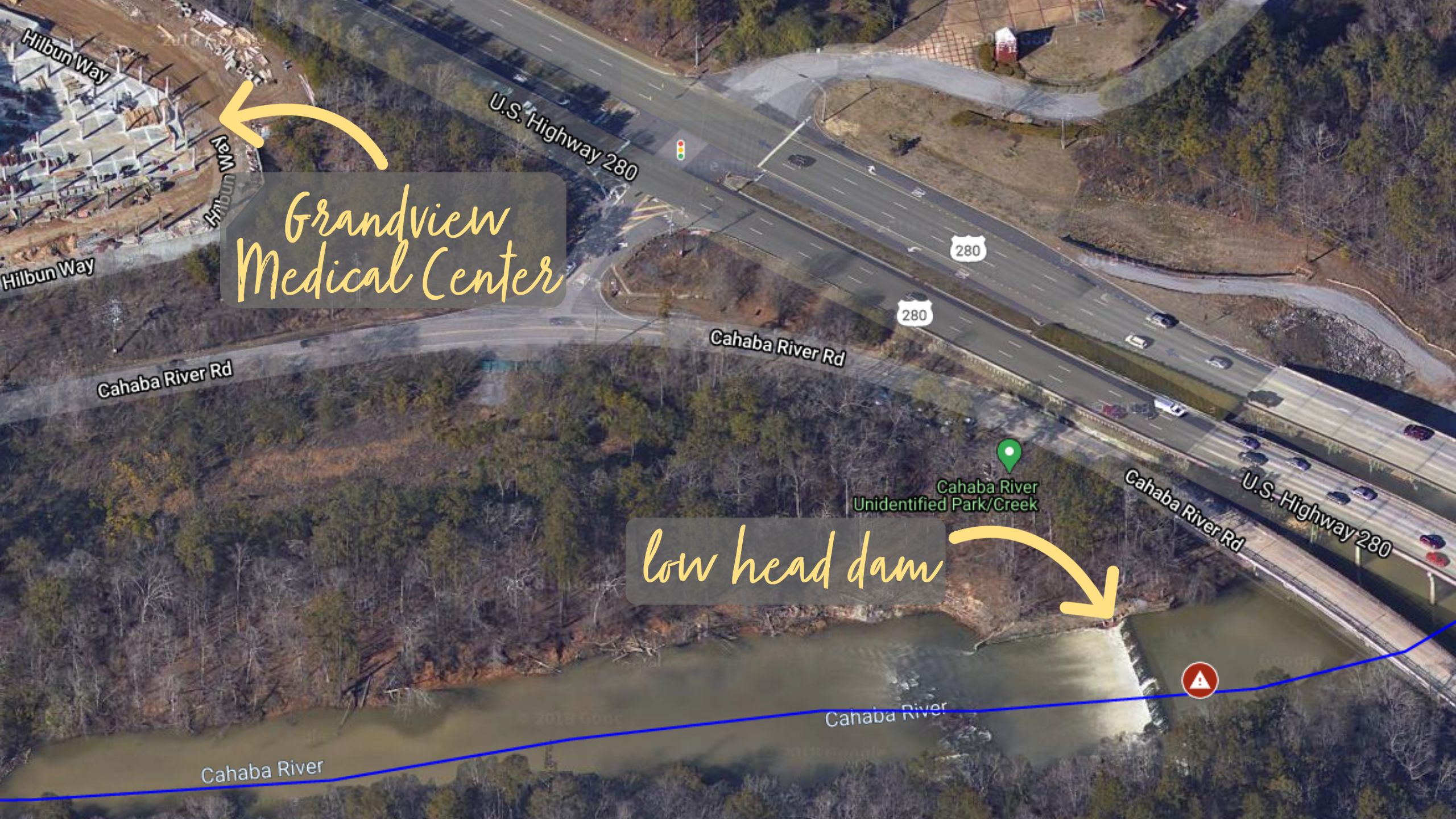
Figure 12. Low-head dam on Cahaba River near Highway 280. Image credit: Google maps
Wildlife
Due to the Cahaba maintaining its largely free-flowing path, it has been able to continue supporting much of its original biodiversity. The Cahaba River Society calls the Cahaba, “a treasure of biological diversity of national and global importance”(24). Supporting the claim of global importance, the World Wildlife Fund and The Nature Conservancy recognized the Cahaba River as one of only eight “Hotspots of Biodiversity” out of 2,111 watersheds in the entire United States (24). The Cahaba River watershed supports an incredible 128 fish species, more than the entire state of California (24). Beyond incredible fish biodiversity, the Cahaba River is famous for supporting 50 species of mussels and 35 species of snails (8).
The Cahaba River National Wildlife Refuge is known as a critical habitat for several species of fish, including the endangered Cahaba shiner (Notropis cahabae) and the threatened goldline darter (Percina aurolineata) (25).
The Cahaba River National Wildlife Refuge is also the home of the only remaining species of rocksnail in the Cahaba basin, the round rocksnail (Leptoxis ampla) (Figure 14) (26). Another interesting snail found in the Cahaba River basin, the cylindrical lioplax (Lioplax cyclostomaformis) (Figure 15), is a gill-breathing snail that hatches its eggs internally (27). Relatively little is known about this snail’s life cycle and behavior, underscoring the value of conserving the Cahaba’s unique habitats (27). We still have a lot to learn about the living creatures we share Alabama’s waters with.
As a tributary of the Alabama River, the Cahaba is not immune to the effects of dams on biodiversity. Locks and dams along the Alabama River have led to a decline in native species due to a lack of water passages to the Mobile Delta and altered water supply and flow (28). The Cahaba’s abundant biodiversity also faces pressures from non-point source pollutants caused by urban development, such as increased sedimentation, excessive nutrients, and stormwater overflows (24). Globally recognized for its unique biodiversity (24), it is important to protect the Cahaba and its watershed.
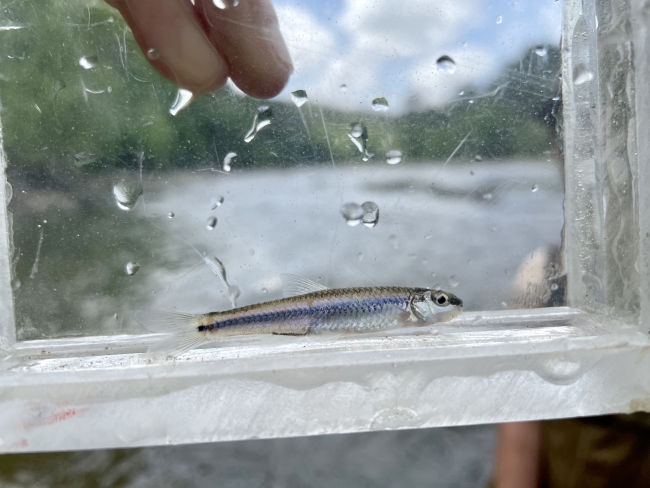
Figure 13. Cahaba shiner (Notropis cahabae). Photo Credit: Jenna King, USFWS.
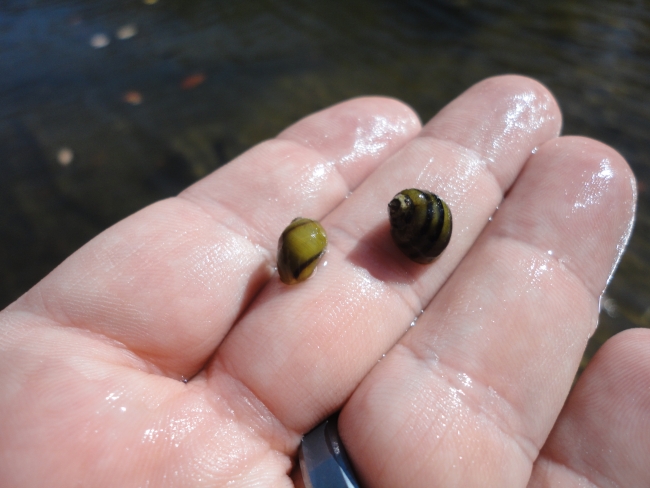
Figure 14. Round Rocksnail (Leptoxis ampla). Photo Credit: Andy Ford, USFWS.
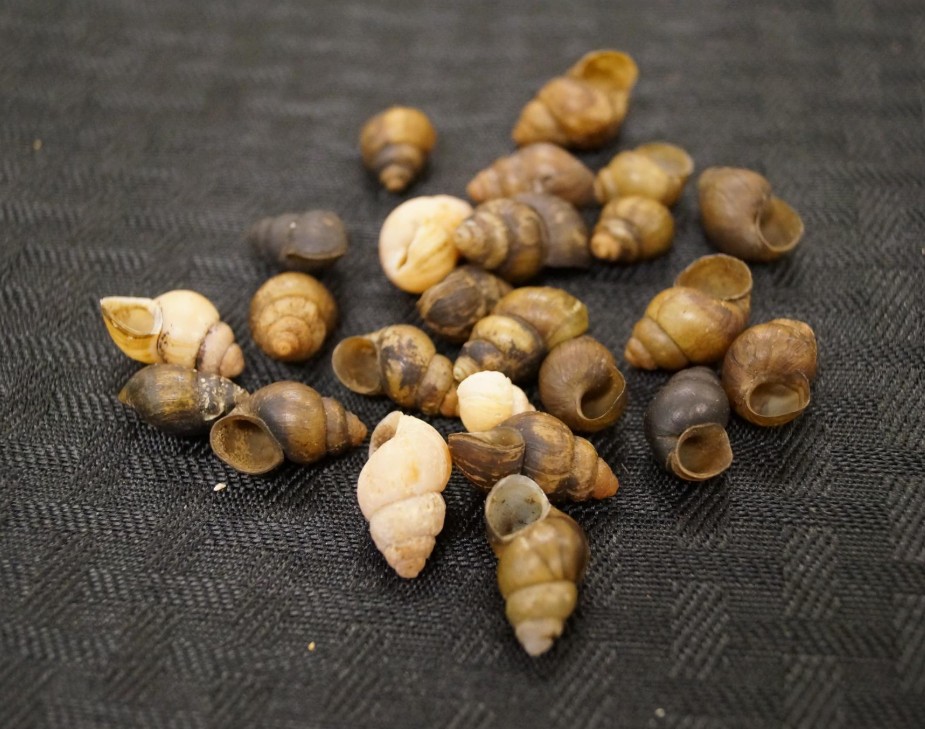
Figure 15. Cylindrical lioplax (Lioplax cyclostomaformis). Photo Credit: Cahaba River National Wildlife Refuge.
Water Quality
On the Alabama Department of Environmental Management’s 2024 303(d) List of Impaired Waters, the Cahaba River Basin has 15 waterbodies listed, totaling just over 250 miles of streams and river reaches and just over 960 acres of reservoirs (29). Two waterbodies were listed recently in 2024, and only one has been listed for over a decade, Childers Creek. Eight of these waterbodies were listed for pathogen impairment, showing higher than safety levels of E. coli. Five waterbodies are listed for metal impairment, more specifically mercury from atmospheric deposition. One waterbody is listed for having high levels of total dissolved solids and one is listed for siltation pollution. Sources of pollution include atmospheric deposition, industrial waste, agriculture, collection system failure, and pasture grazing (29).
On the Alabama Department of Public Health’s 2024 Fish Consumption Advisory, there are three sections of the Cahaba River with concerning levels of mercury (30). In Bibb County, it is advised to limit the consumption of spotted bass retrieved from the river to once a month. In Perry County, it is advised to not consume spotted bass from this section of the river at all. In Dallas County, it is advised to limit the consumption of largemouth bass and spotted bass to twice a month.
References
(1) Alabama Department of Environmental Management. (2022). Cahaba River Basin. Retrieved from: https://adem.alabama.gov/trashfreewaters/pdfs/CahabaRiverBasin.pdf.
(2) O’Brien, G. (2007). Choctaws in Alabama. In Encyclopedia of Alabama. Retrieved from: https://encyclopediaofalabama.org/article/choctaws-in-alabama/.
(3) Davidson, C. (2017). Birmingham: A Powerful History Forged from Iron. Federal Reserve Bank of St.Louis. Retrieved from: https://fraser.stlouisfed.org/files/docs/historical/frbatl/publications/econMatters/20170426_frbatl_econMatters_regional_birmingham-a-powerful-history-forged-from-iron.pdf
(4) Red Mountain Park (n.d.). History. Retrieved from: https://redmountainpark.org/about/#history.
(5) Cahaba River Society. (n.d.). Our mission is to restore and protect the Cahaba River watershed and its rich diversity of life. Retrieved from: https://cahabariversociety.org/about-us/mission/#:~:text=The%20Cahaba%20is%20the%20main,encompasses%20over%20a%20million%20people.
(6) Birmingham Water Works. (n.d.). Your Water. Retrieved from: https://www.bwwb.org/water.
(7) Pillion, D. (2023). Birmingham Water Works settles suit, agrees to protect 7,000 acres near drinking water intake. Alabama News. Retrieved from: https://www.al.com/news/2023/08/birmingham-water-works-settles-suit-agrees-to-protect-7000-acres-near-drinking-water-intake.html.
(8) Outdoor Alabama. (n.d.). Little Cahaba River. Retrieved from: https://www.outdooralabama.com/rivers-and-mobile-delta/little-cahaba-river
(9) BHAMWIKI. (2010, July 31). Central Iron Works. Retrieved from: https://www.bhamwiki.com/w/Central_Iron_Works
(10) BHAMWIKI. (2010, July 31). Lake Davidson. Retrieved from:
https://www.bhamwiki.com/w/Lake_Davidson
(1)1 BHAMWIKI. (2021, Oct 5). Buck Creek. Retrieved from:
https://www.bhamwiki.com/w/Buck_Creek
(12) Outdoor Alabama. (n.d.). Shades Creek. Retrieved from:
https://www.outdooralabama.com/rivers-and-mobile-delta/shades-creek
(13) Oakmulgee Division, Talladega National Forest. Alabama Indigenous Mound Trail. (n.d.). Retrieved from: https://alabamamoundtrail.org/attraction/oakmulgee-division-talladega-national-forest/
(14) Gomez, K. (2025, October 29). The Forgotten Alabama Capital: Tracing the history of Old CAHAWBA. Home -. Retrieved from: https://theforgottensouth.com/cahawba-alabama-ghost-town/
(15) Lewis, H. J. “Jim.” (2025, August 8). Cahaba. Encyclopedia of Alabama. Retrieved from: https://encyclopediaofalabama.org/article/cahaba/
(16) Alabama Historical Commission. (n.d.). History of Old Cahawba. Alabama State Historical Office. Retrieved from: https://ahc.alabama.gov/CahawbaHistoryFacts.aspx.
(17) Cahaba River National Wildlife Refuge. (n.d.). CRNWR About Us. U.S. Fish and Wildlife Service. Retrieved from: https://www.fws.gov/refuge/cahaba-river/about-us.
(18) Pratts Ferry Cahaba River. The Nature Conservancy. (n.d.). Retrieved from: https://www.nature.org/en-us/get-involved/how-to-help/places-we-protect/pratts-ferry-cahaba-river/
(19) Cahaba Blueway. (n.d.). Retrieved from: https://www.cahabablueway.org/
(20) Cahaba River Keeper. (2023) Cahaba River History: The Marvel Slab. Instagram post from September 7, 2023. Accessed on October 2, 2025. Retrieved from: https://www.instagram.com/p/Cw5nQ9FRJRM/
(21) Nijhaus, M. (2009) The Cahaba: A River of Riches. Smithsonian Magazine. Accessed on October 2, 2025. Retrieved from: https://www.smithsonianmag.com/science-nature/the-cahaba-a-river-of-riches-34214889/
(22) Deutsch, W. G. (2019). Alabama rivers: A celebration & challenge. MindBridge Press.
(23) Cahaba Blueway. (n.d.). Retrieved from: https://www.cahabablueway.org/
(24) The Cahaba River Society. (n.d.). About the Cahaba River. Retrieved from: https://cahabariversociety.org/about-the-cahaba-river/cahaba-river-biodiversity/.
(25) Alabama Nonpoint Source Program . (2023, July 21). Cahaba River Basin. Alabama Department of Environmental Management. Retrieved from: https://adem.alabama.gov/sites/default/files/2025-10/CahabaRiverBasin.pdf
(26) U.S. Fish and Wildlife Service. Round Rocksnail. Accessed on October 2, 2025. Retrieved from: https://www.fws.gov/species/round-rocksnail-leptoxis-ampla
(27) U.S. Fish and Wildlife Service. Cylindrical lioplax. Accessed on October 2, 2025. Retrieved from: https://www.fws.gov/species/cylindrical-lioplax-lioplax-cyclostomaformis
(28) Cromwell, S. (2022, August 22). River, Interrupted . Alabama Rivers Alliance – Water is Life. Retrieved from: https://alabamarivers.org/river-interrupted/
(29) Alabama Department of Environmental Management. (2024). Section 303(d) List Clean Water Act. Retrieved from: https://adem.alabama.gov/programs/water/wquality/2024AL303dList.pdf.
(30) Alabama Department of Public Health. (2024). Alabama Fish Consumption Advisories 2024. Retrieved from: https://www.alabamapublichealth.gov/tox/assets/2024_fishadvisory.pdf